


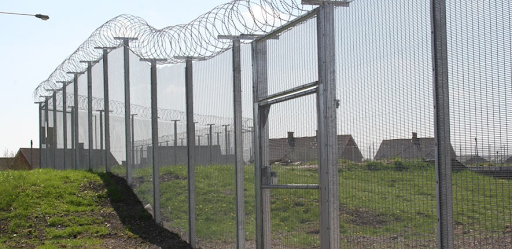
When it comes to protecting a commercial property, fencing isn’t just about choosing a strong material or an attractive design. It’s about meeting security fencing compliance requirements that can vary by location, industry, and level of risk. From local zoning laws to federal safety standards, understanding these regulations is essential to avoid fines, delays, or costly redesigns.
It Usually Starts with Local Code, But Doesn’t End There
Most projects begin at the municipal level. Local zoning ordinances dictate baseline requirements like fence height, placement, and visibility near roadways. In some areas, you’ll see strict limits on how tall a fence can be along public-facing sections, while industrial zones may allow taller, more secure perimeters.
But here’s where many property owners run into trouble. Meeting local code doesn’t automatically mean the fence is sufficient for the site itself. A warehouse storing high-value materials, for example, may technically meet zoning requirements with a basic fence but still fall short of internal security expectations or insurance requirements.
That gap is where better system selection becomes critical.
The Real Shift Happens When Risk Enters the Conversation
Once a project moves beyond basic compliance, the focus tends to shift toward risk. What are you protecting? How easy is it to access the site? What happens if someone tries?
This is where standard fencing options often get ruled out. Traditional chain-link may check a box on paper, but it doesn’t hold up well when evaluated against intrusion resistance. It can be climbed, cut, or deformed without much effort.
That’s why many commercial and industrial properties move toward engineered systems like welded wire panels. Designs such as Twinbar or Securite are built with tighter spacing and heavier construction, reducing footholds and making cutting significantly more difficult. In higher-risk environments, that difference isn’t a preference only. It’s often a requirement tied directly to project specifications.
Access Points Are Regulated More Than Most People Expect
Fencing doesn’t operate on its own. Gates, entry points, and access control systems are all part of the same compliance picture.
In many commercial settings, regulations or project standards require:
- Controlled entry for vehicles and personnel
- Emergency access that meets fire and safety codes
- Secure closure mechanisms that prevent unauthorized entry
This is where planning often becomes more complex than anticipated. A fence might meet every structural requirement, but if the access points aren’t aligned with safety or operational standards, the system as a whole can still fail inspection.
Integrating fencing with properly designed gates, and in some cases electronic access control, is what turns a compliant perimeter into a functional one.
Material Choice Isn’t Just About Durability
At first glance, material selection seems like a straightforward decision. Steel is stronger, coatings prevent corrosion, and that’s that. But in regulated commercial environments, material performance is tied directly to long-term compliance.
A fence that degrades too quickly can become a liability. Rust, structural weakness, or panel failure can all compromise the integrity of the system. And in some cases, it might even require replacement sooner than expected.
That’s why many projects specify galvanized and powder-coated steel systems. These finishes aren’t just about appearance; they extend the lifespan of the fence and help maintain compliance over time without constant repairs.
Systems manufactured with high-strength steel and protective coatings are often selected not just for their performance today, but for how well they hold up five or ten years down the line.
Where Design and Compliance Intersect in Security Fencing Compliance
Not every regulation is strictly about security. In urban or mixed-use environments, fencing may also need to meet architectural or visibility standards. For example, a commercial property near a public roadway might be required to maintain clear sightlines for traffic safety. In other cases, fencing must align with surrounding design guidelines to avoid creating a harsh or industrial appearance in a developed area.
This is where systems like Grigliato or Amego come into play. They provide a balance between strength and visual openness, allowing properties to meet both security expectations and aesthetic requirements without compromising either. That balance is often overlooked early in planning and becomes a costly issue later if the wrong system is installed.
Some Environments Demand More Than Standard Compliance
There are situations where baseline regulations aren’t enough. Facilities handling sensitive materials, critical infrastructure, or high-value assets often encounter stricter internal or industry-driven standards.
In these environments, fencing may need to:
- Resist climbing attempts entirely
- Withstand cutting tools or tampering
- Support additional deterrents like angled extensions
This is where engineered systems separate themselves from generic options. Instead of retrofitting security features onto a basic fence, these systems are designed from the ground up to meet higher-level requirements. MFR Corp works with these types of projects regularly, helping ensure that the selected system aligns with both regulatory expectations and real-world security demands.
Permitting for Security Fencing Compliance Is Where Projects Often Stall
Even when you select the right system, the permitting process can introduce delays if details aren’t aligned from the start. Most commercial fencing installations require:
- Submitted plans showing layout and specifications
- Verification that the design meets zoning and safety codes
- Inspection after installation
If anything falls short, such as height, placement, materials, or access design, you may need to revise the project before receiving approval. This is one of the biggest reasons it pays to think about compliance early, rather than trying to fix issues after installation.
Choosing a System That Actually Works
By the time you consider all factors, like local code, site risk, access control, durability, and design, the decision isn’t just about fencing. It’s about choosing a system that holds up under real conditions.
That’s why commercial projects often select fully engineered solutions instead of piecing together components. People choose systems like MFR Manufacturing’s Twinbar, Securite, Grigliato, and Amego based on how the site operates and what level of protection it requires.
Final Thoughts on Security Fencing Compliance
Regulations play a bigger role in fencing than most people expect, shaping everything from layout to material selection and long-term performance. Understanding those requirements early makes it easier to avoid delays, reduce risk, and build a system that actually does its job.
If you’re planning a commercial fencing project and want to ensure full security fencing compliance, we’re here to help. At MFR Corp, we design and manufacture fencing systems built for real-world conditions, so you can move forward with confidence and get it right the first time.