


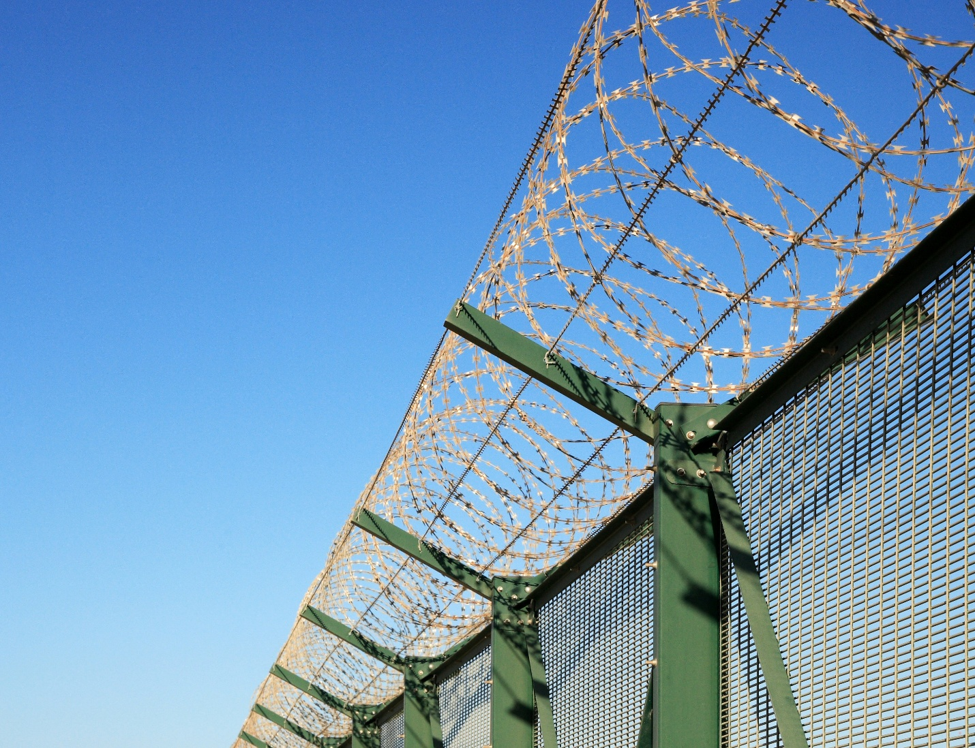
A security fence is an essential component in protecting all types of sites and marking boundaries for private properties. While there are many different types of security fences, they all work to deter intruders while protecting assets and people. Choosing the right type of security fencing involves understanding how this type of fencing differs from other types of fencing, the different types of fencing available, and your own specific security needs.
What Is Security Fencing?
Security fencing is purposely designed as a barrier to prevent unauthorized access to a property. This type of fencing is different from agricultural or decorative fencing in that protection is prioritized using features like anti-climb designs, height, and possibly even integrated surveillance.
Benefits Offered by Security Fencing
Security fencing offers a variety of benefits for many types of sites. These benefits include:
- Theft and Vandalism Deterrent – A physical barrier will reduce the likelihood of crime.
- Access Control – Security fencing assists in regulating who can enter or exit a site.
- Protection of People and Assets – Security fencing is a must for sites with sensitive data or valuable equipment.
- Greater Peace of Mind – Both business owners and homeowners will feel more secure with security fencing in place.
- Compliance – Security fencing is often a legal requirement in some regulated industries.
Common Uses for Security Fencing
Security fences apply in a variety of settings, including:
- Residential Properties – Used to increase privacy and deter unauthorized access.
- Commercial Properties – Used in construction sites, retail centers, and warehouses.
- Agricultural Sites – Used to protect livestock and prevent theft.
- Utility & Infrastructure Sites – Used to protect water treatment plants, power plants, and telecom towers.
- Government buildings, schools, military bases, and correctional facilities – Used for safety and to control access.
Primary Security Fence Types
The main types of security fencing include:
- Chain Link Fencing – This type of fencing offers the benefit of being affordable, yet durable. It can be topped with razor wire or barbed wire and is most frequently used to protect utility and construction sites.
- Welded or Steel Wire Fencing – Features rigid panels combined with tight mesh. It is resistant to climbing and cutting, making it ideal for use in industrial sites.
- Electric Fencing – This type of fencing can deliver a non-lethal shock and is frequently combined with traditional fencing.
- Palisade Fencing – Designed with vertical steel poles capped by pointed tops to make it resistant to climbing and impact. This is typically in high-security areas.
- Razor Wire and Barbed Wire Fencing – This type of fencing serves as a strong psychological deterrent to would-be intruders. It is often in correctional and military settings.
- Anti-Climb Fencing – Engineered with smooth finishes or tightly spaced apertures that are designed to prevent intruders from scaling the fence. This is usually in airports, data centers, schools, and prisons.
- Corrugated Metal and Expanded Metal Fencing – This type of fencing is resistant to cutting, offers high levels of strength, and provides good visual screening.
- Industry Standard-Compliant – For certain sites, it’s important to choose a fencing system that is engineered to comply with the strictest security industry standards. Such types of fencing include those that meet ASTM guidelines for strength, FAA regulations for airfield security, Department of Defense (DoD) requirements for anti-terrorism force protection, and energy and utility infrastructure compliance expectations. Ensuring that the security fencing you select meets such standards can help to avoid expensive penalties while providing protection against liability. We engineer our fencing systems to meet these guidelines.
Selecting the Right Security Fence for Your Needs
The following steps can help you to choose the right security fence for your specific site and needs.
The first step in selecting the right security fencing for your site is to identify the primary goal in utilizing security fencing. For instance, is the main goal to deter intruders, or is it to restrict access? Perhaps the primary goal is to protect children and pets. Other possible goals include meeting legal requirements or enhancing safety. Whatever your primary goal may be, it will help to guide the materials you select and your choices in designing the right security fencing for your site and needs.
The next step is to assess the site. Take into consideration the layout and size, as well as the terrain. You also consider any obstacles that might prevent problems. For example, chain-link is often a good choice for areas that are large and open.
Next, you should evaluate your security needs. Sites that are higher risk in nature, such as military or correctional sites, may need anti-ram, anti-cut, or high-security classification fencing.
Budget Considerations
Of course, budget is also a consideration and will play an important role in determining material cost as well as installation costs. In determining budget, you should also consider how much long-term maintenance will cost for the type of fencing you select. A high-security steel fencing system will cost more to maintain than other types of fencing but will provide greater durability.
Will you need to integrate any additional security features into the fencing you select? Possible options include gates with locks, security cameras, or alarm systems, all of which provide the benefit of enhanced levels of protection.
Finally, do not forget to consider local regulations. In some areas, there are restrictions regarding materials and height of fencing for zoning or safety reasons.
At MFR Corp, we recommend combining a strong barrier that features clear sightlines, which will allow for surveillance, and well-designed access points to easily control entry and exit of your premises.
Final Thoughts
When carefully selected, a security fence protects people, land, and critical infrastructure while also preventing expensive incidents. By considering the features, height, and type of fencing that will best suit your site, you can choose security fencing that will serve as a wise investment for long-term site management. If you need assistance in selecting the right type of security fencing solution for your site, contact us at MFR Corp. We would be happy to evaluate your site and find a solution that will best suit your needs.