


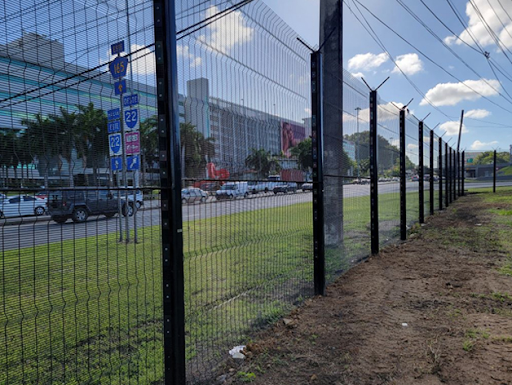
When it’s time to protect a property from real-world threats, there is much to consider. Obviously, critical infrastructure, controlled access sites, and any sort of sensitive operation require a mindful approach here. The system has to perform and protect. High-security fencing plays a central role in this protection by establishing a durable, engineered barrier that deters intrusion, controls access, and supports broader security strategies.
In non-residential environments, fencing is not a standalone feature. It is a structural security component that must meet strict performance, durability, and compliance requirements.
Understanding the Value of Perimeter Fencing in Facility Security
For facilities such as data centers, utilities, transportation hubs, government sites, industrial campuses, and secured commercial properties, the perimeter is the first and most visible line of defense. A well-designed fence system helps:
- Prevent unauthorized access and perimeter breaches
- Delay intrusion long enough for response protocols to activate
- Define controlled access zones and security boundaries
- Protect people, assets, and operations from external threats
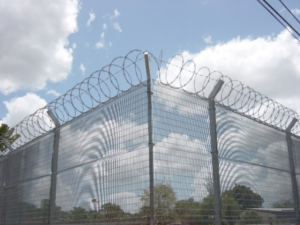
Unlike decorative or low-impact barriers, security-focused fencing is engineered to resist cutting, climbing, and forced entry while maintaining structural integrity over time.
Engineered Steel Systems for Long-Term Protection
Steel-based fencing systems are commonly used in high-risk and high-value environments due to their strength, durability, and adaptability. These systems are designed to withstand harsh weather, repeated impact, and sustained use without compromising performance. Key characteristics often include rigid panel construction, reinforced posts, and secure fastening methods that reduce vulnerabilities at connection points.
Galvanized and coated steel finishes are frequently used to enhance corrosion resistance and extend service life, particularly in coastal, industrial, or high-moisture environments. This focus on material performance helps ensure the fence remains effective long after installation.
Anti-Climb and Anti-Cut Design Considerations
One of the primary objectives of security fencing is to deter and delay intrusion attempts. This includes design features that limit footholds, handholds, and cutting opportunities. Tightly spaced vertical or horizontal elements, welded wire configurations, and reinforced panel designs can significantly reduce the ability to scale or breach the fence.
These design choices are not arbitrary. They are selected based on threat assessment, site layout, and required security levels. In sensitive facilities, even small design details can have a meaningful impact on overall effectiveness.
Vehicle Mitigation and Impact Resistance
In environments where vehicle threats are a concern, we may pair fencing systems with crash-rated and vehicle-mitigation solutions. These systems manage impact forces and protect critical assets from unauthorized or accidental vehicle access. Integration with gates and access points is carefully planned to ensure continuity of protection across the entire perimeter.
Vehicle-resistant elements are particularly relevant for sites near public roadways, high-traffic areas, or locations where hostile vehicle mitigation is part of regulatory or risk management requirements.
Integration with Access Control and Security Technology
Modern perimeter fencing is rarely deployed in isolation. Instead, it works in coordination with access control systems, surveillance equipment, and monitoring technologies. Fence layouts and gate placements typically support:
- Controlled entry and exit points
- Card, keypad, or credential-based access
- Surveillance sightlines and camera coverage
- Alarm and detection systems
This integrated approach ensures the fence supports both physical and electronic security measures, creating a layered defense strategy rather than a single point of protection.
Customization for Site-Specific Requirements
No two sensitive facilities face the same risks or operational constraints. As a result, security fencing systems must be adaptable to varying site conditions, layouts, and compliance requirements. Factors such as terrain, soil conditions, existing infrastructure, and facility use all influence system design.
Customization may involve varying fence heights, panel configurations, gate types, and reinforcement strategies across different perimeter zones. This flexibility allows the system to address higher-risk areas without overengineering less critical sections.
Compliance, Codes, and Performance Standards
Security fencing for sensitive facilities often needs to align with industry standards, municipal codes, and project-specific requirements. These may relate to structural performance, wind loading, visibility, emergency access, or vehicle mitigation. Designing with compliance in mind from the outset helps avoid costly revisions and ensures the finished system meets both safety and security expectations.
Working with experienced manufacturers and fabricators is especially important when performance criteria extend beyond basic perimeter delineation and into engineered security solutions.
Aesthetic Considerations Without Compromising Security
While function is the priority, appearance still matters. Particularly for facilities located in urban areas or near public-facing environments. Architectural metal fencing solutions meet security requirements without creating an overly industrial or imposing appearance.
Through thoughtful design, finishes, and layout, it is possible to balance visual considerations with the need for robust protection. This is especially relevant for campuses, corporate facilities, and mixed-use developments where security must coexist with professional or civic design standards.
Manufacturing Quality and Fabrication Expertise
The effectiveness of any security fencing system depends heavily on manufacturing quality. Precision fabrication, consistent welds, and strict quality control contribute directly to structural integrity and long-term reliability. Custom metal fabrication capabilities also allow us to tailor systems to complex site requirements and unique security challenges.
MFR Corp works within this space by providing fabricated metal fencing and perimeter security systems designed for demanding environments, supporting projects that require both technical performance and design coordination.
Planning for Longevity and Maintenance
Security fencing is a long-term investment. Systems designed with durability, corrosion resistance, and serviceability in mind reduce maintenance demands and lifecycle costs. Selecting appropriate materials and finishes helps ensure the fence remains effective and visually consistent over time, even in challenging conditions.
Routine inspections and maintenance planning further support continued performance, particularly for facilities where uninterrupted security is essential.
High-Security Fencing Solutions with MFR Corp
For organizations responsible for safeguarding critical assets and sensitive operations, perimeter systems must perform reliably under pressure. By combining engineered steel construction, intrusion-resistant design, and thoughtful integration with broader security measures, high-security fencing provides a dependable foundation for protecting complex, non-residential facilities.
To learn more about engineered metal fencing and perimeter security solutions, contact us at MFR Corp to discuss project requirements and explore options designed to support secure, long-lasting installations.