


When it comes to planning for the installation of commercial fencing, contractors and facility managers need to understand a variety of factors. There is no room for guesswork in commercial fencing projects. Whether you are a facilities manager supervising an upgrade for the property you manage or you are a contractor in charge of an installation, understanding available options and taking relevant factors into consideration can ensure the installation of a fencing system that serves its intended purpose while also allowing for code compliance.
Why a Structured Plan is Critical for Commercial Fences
Commercial fences differ from residential fences because they are often responsible for not only defining property boundaries but also providing access control and deterring intruders. Among the most important factors to consider when planning the installation of a commercial fence system is efficiency of installation, risk reduction, durability, and cost over the total lifecycle of the fencing system.
The Most Important Factors for Facility Managers and Contractors to Prioritize
The following factors are among the most important that drive the decision-making process when selecting a commercial fence system:
Security Performance
The ultimate goals are to prevent access by intruders, resist cutting attempts, and keep would-be intruders from climbing over the fence.
Durability
The fence should offer high weld quality, corrosion resistance, structural rigidity, and longevity of coating.
Installation Efficiency
The highest level of installation efficiency helps reduce labor costs while allowing fencing to be installed as quickly as possible without sacrificing quality.
Access Control Integration
The right fencing system will be compatible with card readers, gates, perimeter technology, and turnstiles.
Regulatory Compliance
All commercial fences should meet ASTM, DOT, OSHA, and other industry-relevant standards.
Cost
A high-quality commercial fence will minimize the need for replacements and repairs.
All these factors assist in determining which type of commercial fence is the best option.
Types of Commercial Fencing to Consider
Different types of commercial fence systems are available. Understanding those fencing options and the facilities and environments for which they are best suited can help contractors and facility managers to make a more informed purchasing decision.
Anti-Climb Mesh Fencing
This type of commercial fence is often used in high-security facilities because it offers the maximum amount of intrusion resistance with minimally required maintenance. Key features of this fence include a narrow aperture mesh that prevents intruders from gaining toe or hand holds on the fence. The ridged panel geometry resists deformation or prying of the fence. Additionally, it offers durable welding for consistent strength and quality coating for long-term corrosion protection. An anti-climb mesh fencing system is often a good choice for data centers, utilities, correctional facilities, airports, and government sites.
Welded Wire Mesh Panels
A welded wire mesh panel fence is often used in commercial and industrial sites. It is more secure and stronger than a chain link fence while remaining cost-effective. This type of fence can be installed quickly, offers high rigidity that reduces sagging, and improved aesthetics for retail properties. Welded wire mesh panel fencing is often used in distribution centers, warehouses, parking lots, and manufacturing plants.
Steel Palisade Fencing
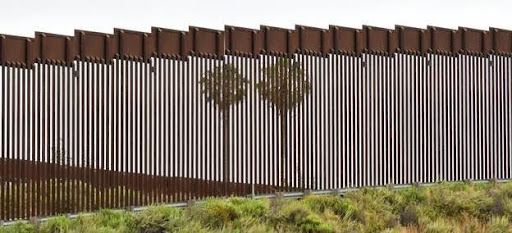
When maximum physical deterrence is needed, contractors and facility managers may wish to consider steel palisade fencing. This type of fencing offers high structural strength combined with aggressive visual deterrence. The design of this fencing allows for quick installation speed as well as high anti-climb performance and overall strong resistance to corrosion. Steel palisade fencing is often used in power stations and other types of high-risk industrial sites.
Ornamental Fencing
When the goal for a corporate or public space is architectural appeal without sacrificing security, an ornamental steel fence provides structural integrity with a design that prevents fading and rust. Panels can usually be easily replaced when necessary. This type of fencing is often used on hotel properties, office parks, municipal properties, and retail centers.

Why the Choice of Fencing Manufacturer Matters
Along with choosing the right type of fencing system, contractors and facility managers also need to consider the manufacturer of the fencing system they choose. Don’t leave anything to chance. It’s important to choose a fencing manufacturer who can provide proof of quality for such important considerations as coating thickness certifications, ASTM compliance, batch traceability, and weld strength testing. These factors can make a significant difference in terms of whether a fence lasts just a few years or decades. It also impacts how it performs in deterring intruders and regulatory compliance. MFR Manufacturing Corp. has been taking service and quality for commercial fencing to a whole new level for more than 30 years.
What to Consider When Selecting a Commercial Fence System
Beyond the type of fence and the manufacturer, it’s also important to consider a few other factors when planning for the installation of a new fencing system at a commercial site.
Measurement Requirements
Make sure you understand the property’s terrain, including elevation changes, obstacles, and the location of entry points and gates.
Local Zoning Laws and Required Permits
Take the time to consult municipal guidelines and local building codes. There may be rules regarding setbacks, materials, and fence materials. Failure to meet such requirements could result in forced removal of your new fence or fines.
Applicable Environmental Factors
The local environment can play an important role in the selection of materials for your new commercial fence. For instance, in a coastal area, it’s important to look for the right coatings to prevent corrosion. Other environmental factors to consider include high wind, soil conditions, presence of snow and ice, and industrial chemical exposure.
Required Access Control
Consider whether you may need pedestrian gates, single-swing vehicle gates, slide gates, or barrier arm gates in conjunction with the fencing system.
Final Thoughts
Commercial fencing involves consideration that goes far beyond aesthetics. Facility managers and contractors must also select a fencing system that will deliver durability, security, efficient installation, and long-term value. Contact us at MFR Manufacturing Corp. to learn more about available commercial fence options. We would be happy to guide you through the process of choosing a commercial fence that meets your facility’s specific needs.