


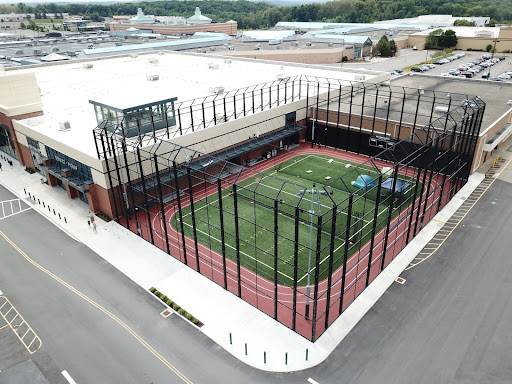
When designing or upgrading athletic facilities, safety, visibility, and long-term performance are always top priorities. But which stadium fencing types meet building code standards? Whether for a professional sports venue or a local high school complex, the right fencing system must handle heavy use, meet strict regulations, and maintain its appearance over time. Choosing compliant sports fencing ensures that your investment delivers safety, durability, and peace of mind, all while staying in line with engineering and building codes.
At MFR Corp, we understand how challenging it can be to balance function, aesthetics, and compliance. Here’s what to consider when selecting fencing for your stadium or sports complex.
What Makes Stadium Fencing Different?
Unlike residential or commercial fencing, stadium fencing has to do much more than mark boundaries. It protects spectators, athletes, and staff from impact or intrusion while maintaining clear visibility and airflow. Every panel, post, and gate must stand up to repeated physical stress, environmental exposure, and, in many cases, vandalism.
Durable stadium fencing requires strong materials like steel, aluminum, or welded wire mesh. These are engineered to withstand high impact without bending or breaking. It should also meet industry safety standards that prevent climbing, snagging, or collapsing under pressure.
In other words, this isn’t the place to cut corners. Investing in high-quality materials and proven engineering upfront can prevent costly replacements and liability issues later.
Which Materials Offer the Best Durability?
Stadium fences are often exposed to harsh elements and constant public interaction. The material you choose directly affects long-term performance and maintenance costs.
- Grigliato Fencing: This is one of the most popular solutions for stadiums and sports complexes. The electro-forge welded grille design combines strength with visibility, making it ideal for crowd control and perimeter security. Metalco’s GRIGLIATO products are available in a variety of spacing designs to suit your needs. Galvanized and powder-coated finishes provide rust resistance and color flexibility.
- Perforated Metal Panels: For architectural stadium designs that prioritize aesthetics, perforated metal panels deliver modern appeal while still offering strength and airflow. They can be customized in size, pattern, and finish to match team branding or architectural features.
- Twinbar Style: Metalco’s Twinbar fencing is a cost-effective, durable alternative to chain-link fencing. Due to the welded double-wire design, Twinbar fencing is far better than chain link ever could be. It’s minimal to maintain and won’t obstruct the view.
- Amego Fencing: For a more casual, decorative choice, the Amego fencing system has just a slight decorative touch that offers design as well as performance. Ideal for a landscape area, small enclosures, or anywhere that requires a minimalist design.
At MFR Manufacturing, our engineers specialize in manufacturing systems that combine aesthetics and performance. We’re delivering fences that meet both durability standards and architectural goals.
Meeting Building Codes: Fence Regulations for Stadiums
Before selecting any fencing system, it’s essential to understand fence regulations for stadiums. These standards vary depending on local jurisdictions, facility type, and expected occupancy levels but generally include the following considerations:
- Height and containment: Fences must be tall enough to prevent climbing and contain objects like balls or debris.
- Load resistance: Fencing should withstand specific wind and impact forces without failure.
- Open area ratios: Some codes require minimum visibility or airflow percentages, especially for outdoor sports facilities.
- Accessibility: Entrances and gates must meet ADA (Americans with Disabilities Act) requirements for width and operation.
- Fire and emergency codes: Gates and exits should allow for rapid evacuation when needed.
Partnering with a manufacturer that understands these requirements helps ensure your design meets every safety and compliance checkpoint. MFR Corp works closely with architects and project managers to align design intent with regulatory standards, reducing approval delays and costly redesigns.
Why Compliance Is Just as Important as Strength
While it’s easy to focus on how long a fence will last, compliance is equally critical. Compliant sports fencing is about protecting people. A fence that fails to meet impact or spacing standards can create safety hazards, lead to injuries, and expose owners to liability. Codes often address factors such as:
- Gap size between panels or wires to prevent climbing.
- Safe sightlines for players, coaches, and spectators.
- Durability under environmental stress like wind, corrosion, or repeated impact.
Choosing a fence system built to meet ASTM, AISC, or local building codes means your project won’t just pass inspection. It will perform safely for decades.
All of our fencing solutions are designed to meet or exceed national and regional compliance standards. We engineer complete systems that stand up to real-world demands.
Design Considerations for Long-Term Performance
Beyond safety and compliance, consider how your fencing will age over time. A well-planned design reduces maintenance and improves return on investment. Here are a few tips:
- Corrosion Resistance: Choose finishes like hot-dip galvanizing and polyester powder coating to prevent rust.
- Modular Construction: Prefabricated or modular panels make repairs faster and more affordable.
- Vandal Resistance: Reinforced frames and tamper-resistant hardware deter damage.
- Visibility: Mesh and perforated metal maintain clear sightlines for spectators and security teams.
- Branding Opportunities: Powder-coated finishes can match team colors or feature logos for a professional touch.
Durability is about thoughtful design and high-quality manufacturing that minimizes future downtime.
How to Balance Cost, Quality, and Compliance
Budgeting for a large-scale fencing project can feel daunting, especially when balancing aesthetic, structural, and regulatory needs. The key is to evaluate total lifecycle costs, not just upfront pricing.
Low-cost materials may require frequent repainting, repairs, or replacement. On the other hand, a premium fencing system from a trusted manufacturer offers decades of reliable performance, often reducing maintenance costs long-term. When you work with a partner that provides both engineering expertise and manufacturing capability, you’ll streamline installation and maintain full control over project quality and delivery timelines.
Need Compliant Sports Fencing? Work with MFR Corp
Choosing the right fencing for your sports facility focuses on creating a safe, long-lasting environment that meets today’s demanding standards. Compliant, quality solutions ensure your system performs reliably under pressure while meeting all applicable regulations for strength, safety, and accessibility.
At MFR Corp, we take pride in building durable stadium fencing that blends performance, precision, and modern design. Contact us today to discuss your next stadium fencing project and discover how our solutions can help.