


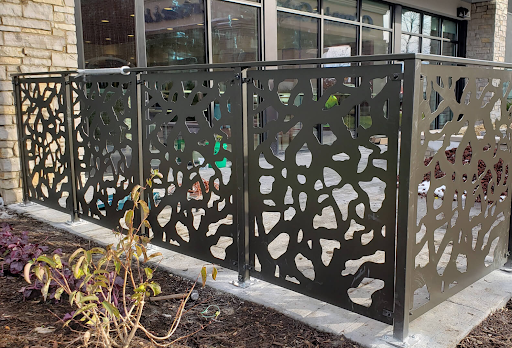
Fencing has moved far beyond its purely functional role of marking boundaries and providing security. Today, property owners and designers seek ways to integrate fences into the overall aesthetic of a building or landscape. That’s where architectural fence designs come into play. These modern solutions combine style, durability, and innovation to create barriers that don’t just protect, but also elevate spaces.
In this guide, we will dig deeper into what exactly an architectural fence is and the details you should know about modern design concepts.
What Makes a Fence Architectural in Design?
An architectural fence is designed with intention, blending form and function. Unlike simple enclosures, architectural fences are carefully planned to complement the structure, reflect design themes, and contribute to the atmosphere of the space.
The most prominent characteristics that make a fence “architectural” include:
- Integration with building style: The fence aligns with the architecture of the home, office, or public space. For example, clean lines pair well with modern homes, while intricate patterns suit historic properties.
- Attention to detail: Architectural fences feature thoughtful elements like geometric cutouts, textured panels, or custom finishes.
- Balancing beauty and function: These fences must secure the property without compromising aesthetics.
- Customization: Many architectural fences are tailored to specific spaces, allowing unique patterns, heights, or layouts.
Ultimately, architectural fences turn what could be a utilitarian necessity into a defining design feature.
How Do Architectural Fence Designs Differ from Standard Fences?
Standard fences typically prioritize affordability and functionality. While they do the job of enclosing an area, they often lack a distinct style. Architectural fences, however, elevate fencing to the realm of design.
Here’s how the two compare:
- Purpose: Standard fences focus on containment, while architectural fences combine protection with aesthetic impact
- Design: Standard options like chain-link or simple wooden panels offer limited visual appeal. Architectural fences are intentional design statements
- Materials: Architectural fences often incorporate high-quality, durable materials with advanced finishes
- Longevity: Because of their construction and customization, architectural fences generally last longer and require less maintenance
For example, a chain-link fence might put a perimeter around a parking lot, but a laser-cut metal panel fence around a commercial plaza adds character, brand identity, and prestige.
Modern Trends in Architectural Fencing
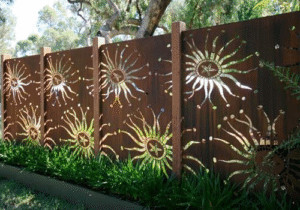
Architectural fence design is constantly evolving to reflect broader design movements. Some popular trends include:
- Geometric patterns: Clean lines, grids, and laser-cut motifs
- Minimalism: Sleek designs with fewer components, often in muted or monochromatic palettes
- Sustainability: Use of recycled metals, low-maintenance composites, and eco-friendly finishes
- Mixed textures: Pairing smooth glass with rugged steel, or polished metal with natural wood
- Vertical orientation: Slim vertical slats that create height and elegance while maintaining visibility
These design choices reflect a shift toward fences as visual highlights rather than background structures.
Which Materials are Best for Modern Architectural Fencing?
Material choice plays a crucial role in the design, durability, and performance of architectural fences. At MFR Manufacturing, we are very cognizant of using only the toughest and longest-lasting materials. Our goal is to not only create an incredible design for you, but also to ensure it’s going to stand the test of time when erected.
Some of the most popular modern options include:
-
Steel
- A strong and secure material that will be durable but also enhance overall property security. This material can be fabricated into intricate and customized designs easily. Most steel is powder-coated to provide weather resistance, and the color can even be tailored to your needs. It’s excellent for both residential and commercial use.
-
Aluminum
- Lightweight yet durable by design, offering corrosion resistance for coastal or humid environments. This is a sleek and modern material that won’t be as bulky as some options out there. It’s strong, but its light weight does make it less strong than something like steel.
-
Corten Steel
- This weathering steel has all the benefits of steel. The primary difference is the natural rust appearance that actually offers additional protection to the metal. It’s striking and very popular for contemporary or urban designs.
-
Composites
- A blended material that is not something we work with very often at MFR Corp. It blends together various resins and wood fibers that are resistant to rot, pests, and warping issues. It offers a more natural look without the upkeep of traditional wood.
-
Custom Mixed Materials
- There are many architectural fence designs that combine a variety of elements to reach a desired end effect. For example, you might choose steel with wood inlays or even steel with frosted glass within the design. This type of customization can provide a unique and layered appearance.
At Metalco, we primarily use steel or similar materials because of the strength. However, we know that no one size fits all. We always consider your preferences and design needs as we help bring concepts to life.
The Benefits of Investing in Architectural Fencing
Architectural fences come with several advantages that go well beyond just aesthetics:
- Increased property value: Attractive, durable fencing can boost resale value
- Enhanced security: Strong materials and thoughtful designs provide reliable protection
- Durability: Modern finishes protect against weathering, ensuring long-lasting performance
- Customization: Property owners can achieve a truly unique design tailored to their vision
- Low maintenance: Many architectural materials require minimal upkeep compared to traditional wood or chain link
This combination of function and beauty makes architectural fencing a wise investment.
Choosing the Right Design for Your Space
When you’re considering a design element, there are several things to consider. You want to align the fence style with the overarching architectural theme of your property if possible. Think of long-term needs and details and balance openness and design with your privacy and security needs. Work with professionals to develop a design that meets your needs. An experienced provider can help you navigate these decisions and ensure the finished product enhances your space.
Architectural Fence Designs with MFR Corp
Modern architectural fence designs show that security and beauty don’t have to be at odds. When you focus on choosing the right materials, embracing innovative design, and considering long-term durability, you can transform fencing into a defining feature of your property.
MFR Manufacturing specializes in creating high-quality metal fences, railings, and architectural solutions that elevate both residential and commercial spaces. If you’re ready to explore architectural fence designs that combine style, strength, and sophistication, contact us today to start your project.