


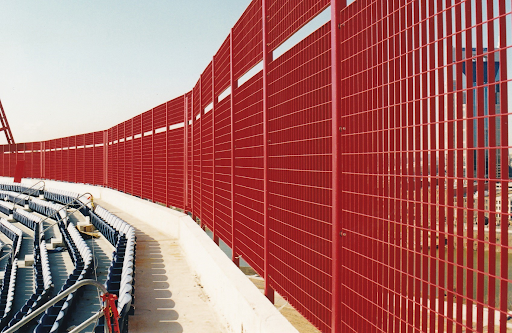
When comparing galvanized vs powder coated steel, most property owners want to know which option will protect their investment longer. For fencing, gates, railings, and architectural screening, that decision affects appearance, maintenance requirements, and long-term performance.
At MFR Corp, we encourage looking beyond the visible finish to understand the complete protective system. Hot-dip galvanizing provides zinc-based corrosion protection, while powder coating adds a protective barrier and color. They can also work together. The right choice depends on the environment, application, coating quality, and whether your priority is corrosion resistance, appearance, or both.
How Does Galvanizing Protect Steel?
Hot-dip galvanizing involves immersing prepared steel in molten zinc. The resulting coating protects the underlying steel in two ways: it creates a barrier against the environment and provides sacrificial protection, meaning the zinc corrodes preferentially to the steel.
That second function is particularly useful when minor damage occurs. Unlike a barrier coating alone, zinc can help protect small exposed areas near the surrounding galvanized surface. This protection has limits, however; substantial damage still requires assessment and appropriate repair.
For outdoor applications, we recommend evaluating the exposure conditions before estimating coating life. A fence near road salt or coastal spray faces different demands than one in a relatively dry inland setting.
The specification also matters. “Galvanized” can describe different processes and coating thicknesses, so the term alone does not establish how a finished component will perform.
How Does Powder Coating Protect Steel?
Powder coating uses a dry coating material that is applied to a prepared surface and cured with heat. It creates a finished layer that separates the substrate from environmental exposure while providing color and a consistent appearance.
Its corrosion protection depends on maintaining that barrier. When powder coating is applied directly over steel, damage that exposes the substrate can allow corrosion to begin beneath the finish. Surface preparation and the underlying protective layers therefore deserve as much attention as the visible topcoat.
We also consider powder coating an architectural design tool. It helps coordinate fencing, gates, railings, and screens with surrounding buildings and landscaping. Our finish and color options include standard colors, custom colors upon request, and color matching. The specific coating construction varies by product, so we recommend confirming the finish available for your selected system.
Galvanized vs Powder Coated: Comparing the Two Finishes
A useful comparison starts with the protection each finish provides. The table below compares hot-dip galvanizing with powder coating applied directly over steel. Powder coating over galvanized steel is a separate, combined approach.
| Consideration | Hot-Dip Galvanized Steel | Powder Coating Over Steel |
| Primary protection | Zinc provides barrier and sacrificial protection | Cured coating provides barrier protection |
| Appearance | Metallic gray finish | Broad range of colors and finishes |
| Response to minor damage | Surrounding zinc can help protect small exposed areas | Exposed steel may begin corroding |
| Longevity factors | Zinc thickness, exposure conditions, and damage | Preparation, coating formulation, coverage, curing, and exposure |
| Maintenance focus | Inspect damage and monitor zinc deterioration | Inspect chips, scratches, adhesion, and finish changes |
| Design flexibility | Limited color options without an additional coating | Greater flexibility for architectural coordination |
| Combined option | Can receive a compatible powder topcoat | Can be applied over properly prepared galvanized steel |
These differences explain why we evaluate the entire finish specification before recommending a system. Two products with similar colors may have substantially different corrosion protection beneath the surface.
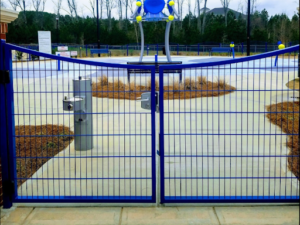
Which Finish Actually Lasts Longer?
For corrosion resistance, hot-dip galvanizing offers an advantage over a powder barrier alone: it continues providing sacrificial protection around small areas of damage. However, that does not establish a universal lifespan or guarantee that every galvanized product will outperform every powder-coated product.
We separate two questions when discussing longevity:
- How long will the system protect the steel from corrosion?
- How long will the visible finish meet the project’s appearance expectations?
A finish may need attention for appearance before the underlying steel loses meaningful corrosion protection. Conversely, an attractive surface does not establish that every connection, edge, or damaged area remains adequately protected.
We recommend requesting project-specific performance information rather than relying on a generic number of years. The exposure conditions and complete coating construction must support that estimate.
Why Combining the Finishes Can Improve Performance
Hot-dip galvanizing followed by powder coating creates what the industry calls a duplex system. The outer coating slows exposure of the zinc to the environment, while the zinc supplies additional protection beneath the topcoat.
The American Galvanizers Association explains that properly designed duplex systems can extend corrosion protection beyond either finish used independently. Surface preparation is essential to achieving that benefit. Longer corrosion protection also does not mean the original color and appearance will remain unchanged for the entire service life.
At MFR Corp, our Metalco systems reflect the value of layered protection. Our Grigliato system uses electro-forged welded steel with hot-dip galvanizing and a polyester coating. Other product finishes may use zinc-based E-Coat and zinc-rich powder layers beneath the polyester topcoat. We confirm the applicable construction for each product rather than treating every system as identical.
What Should You Evaluate Before Specifying a Finish?
We recommend reviewing the site and maintenance expectations early. Useful considerations include:
- Coastal salt exposure or nearby deicing operations
- Moisture accumulation and drainage conditions
- Industrial or chemical exposure
- Potential impacts from vehicles, equipment, or landscaping work
- Required colors and acceptable appearance changes
- Access for inspection, cleaning, and repairs
Installation details deserve attention, too. Ask how field cuts, drilled holes, welds, and handling damage will be addressed. Establish compatible repair procedures before installation begins, and retain the finish information for future maintenance.
Choose Protection That Fits Your Project
The galvanized vs powder coated decision should account for both corrosion protection and architectural goals. Galvanizing provides zinc-based protection, powder coating adds a finished barrier and color, and combining them can deliver valuable long-term benefits.
At MFR Corp, we help you evaluate fencing, gates, railings, and screening with the complete system in mind. Contact our team to discuss your application, exposure conditions, and finish requirements so we can help identify an appropriate solution.