


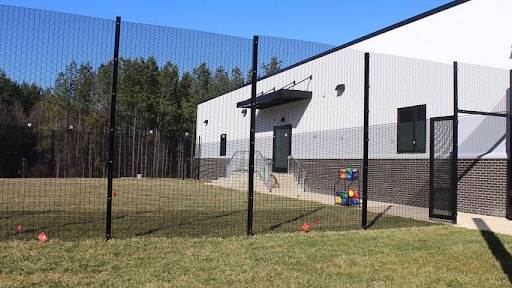
Installing a perimeter fence used to be just to protect or mark the boundaries of a property. Unfortunately, that is really no longer the case. For many different types of properties and facilities, it has become a critical layer of protection that must balance strength, visibility, access control, and long-term durability. Choosing the right high-security fencing system requires more than picking a tall barrier. It requires understanding risk, environment, materials, and performance expectations before installation ever begins.
This guide walks through what matters most when planning a high-security fencing project, helping decision-makers avoid common missteps and invest in systems that perform as intended over time.
Start with the Threat Profile, Not the Fence
One of the biggest mistakes organizations make is selecting a fence style before defining what they are trying to protect against. Security needs vary widely between sites, even within the same industry.
A lot of locations are concerned with one or all of the following:
- Unauthorized pedestrian access
- Climbing or breaching attempts
- Vehicle-based threats
- Visual screening without sacrificing airflow
- Long-term durability in harsh environments
Many of you must address multiple risks at once. A clear threat assessment helps determine whether the priority is deterrence, delay, denial, or a combination of all three. The fence should be a response to risk and not just a generic solution.
Material Choice Determines Performance
Material selection is one of the most consequential decisions in a high-security fence system. Strength, maintenance needs, and lifespan are all tied directly to what the fence is made of.
Steel remains a preferred choice for high-security environments due to its strength and resistance to deformation. Welded wire steel fencing, in particular, offers excellent rigidity and anti-climb performance when properly designed. Aluminum systems may be suitable for architectural applications where corrosion resistance and appearance are priorities, but they must be engineered correctly for security use.
Finish and coating also matter. Galvanized and powder-coated systems, like what we use at Metalco, provide protection against corrosion, which is especially important for installations exposed to moisture, salt air, or industrial conditions.
Anti-Climb Design Is About Geometry, Not Height
Height alone does not prevent intrusion. In many cases, poor mesh design makes tall fences easier to climb than shorter, properly engineered ones.
Effective anti-climb fencing relies on things like:
- Tight mesh spacing that prevents footholds
- Rigid welded intersections that resist cutting
- Panel thickness appropriate to the threat level
- Flush or concealed fasteners
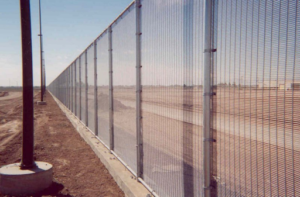
Welded wire systems with small aperture patterns are commonly used in high-security environments because they reduce grip points while maintaining visibility. This visibility allows security teams to monitor activity beyond the perimeter without blind spots.
Vehicle Mitigation Requires Specialized Engineering
When vehicle threats are a concern, fencing must do more than discourage possible intruders. Overall, it must physically stop or redirect force. Crash-rated fencing systems are engineered and tested to withstand vehicle impact at specific speeds and weights.
These systems are fundamentally different from standard perimeter fencing. They require:
- Reinforced posts and foundations
- Engineered spacing and embedment depth
- Integration with crash-rated gates or barriers
- Verified testing to recognized standards
Vehicle mitigation fencing is often used around government facilities, data centers, utilities, and critical infrastructure where perimeter failure could have serious consequences.
Gates Are Part of the Security System, Not an Add-On
A fence is only as strong as its access points. Gates are often the most vulnerable area of a perimeter, yet they are frequently treated as secondary components. High-security gate design should account for things like:
- Structural strength equal to or greater than adjacent fencing
- Controlled access methods (manual, automated, or monitored)
- Alignment with daily operational needs
- Resistance to forced entry and tampering
Sliding, swing, and cantilever gate systems can all be engineered for high-security use, but only when designed as part of the overall perimeter strategy rather than retrofitted after installation.
Custom Fabrication Often Solves Real-World Constraints
Few sites are perfectly flat, symmetrical, or unobstructed. Elevation changes, existing structures, drainage requirements, and architectural considerations often require customization.
The custom fabrication allows systems to be designed and built to meet specific or unique needs. This includes sloped or uneven terrain, tight urban spaces, mixed-use aesthetic needs, and integration with the surroundings. A design team at MFR Manufacturing can help create a custom solution based on each of these details and more.
This flexibility is particularly important for facilities that must meet both security and design requirements, such as corporate campuses, transportation hubs, and public-facing infrastructure.
Installation Quality Matters as Much as Design
Even the most robust fence design can fail if installation is rushed or improperly executed. Post alignment, foundation depth, fastening methods, and panel connections all influence long-term performance.
Experienced installers understand how soil conditions, weather exposure, and site usage affect structural integrity. Proper installation ensures that the fence performs as designed, not just on day one, but for years to come.
Security measures should support, not hinder, daily operations. A fence that disrupts traffic flow, creates bottlenecks, or complicates access can introduce new risks. Early collaboration between security planners, operations teams, and fencing specialists helps ensure that the final system protects assets without creating unnecessary friction for staff, vendors, or emergency responders.
Plan for Longevity and Maintenance
High-security fencing is a long-term investment. Planning for durability and maintenance up front reduces lifecycle costs and avoids premature replacement.
You should consider details such as:
- Environmental exposure and corrosion risk
- Ease of inspection and repair
- Availability of replacement components
- Long-term expansion or modification needs
Well-designed metal fencing systems can provide decades of service with minimal maintenance when materials and finishes are selected appropriately.
High-Security Fencing Solutions
Choosing the right high-security fencing system is a strategic decision that extends beyond aesthetics or code compliance. It requires a clear understanding of risk, careful material selection, thoughtful design, and expert execution.
At MFR Corp, we design and fabricate welded wire, no-climb, architectural metal, and crash-rated fencing solutions tailored to real-world security challenges. If you’re planning a perimeter security project and want expert guidance, reach out to us to get a quote started. You deserve a solution built for your site and its unique needs.