


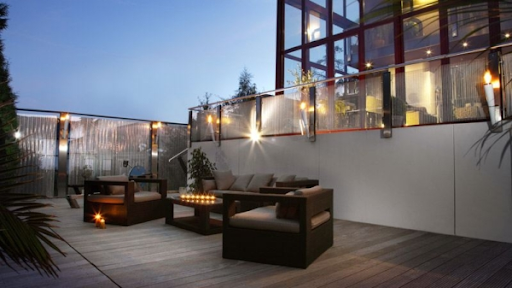
When designing or upgrading a building, prioritizing safety is incredibly important, and that means choosing the right commercial handrails and railings. Whether it’s guiding people along stairways, protecting elevated walkways, or providing dependable support in high-traffic areas, well-designed rail systems are essential for both compliance and accident prevention. This guide explores key considerations, system types, design and material options, and best maintenance practices to help you select safe, durable, and aesthetically pleasing railing solutions.
Safety Comes First
Handrails and railings serve a critical safety role by providing stability and preventing falls. Stairways, ramps, balconies, mezzanines, and elevated platforms all require reliable guardrails to help users maintain balance and avoid serious injury. And in public buildings, unsafe or improperly installed railings can lead to liability issues and regulatory citations. Therefore, rail systems must comply with building codes meeting requirements for height, load capacity, spacing, and handhold grip. Additionally, they must remain comprehensive enough for everyday use.
What’s Required for Commercial Handrails and Railings?
Exact requirements vary by jurisdiction, but most U.S. building codes and ADA guidelines include the following:
- Height Requirements:
- Handrails: 34–38 inches above stair nosings or ramp surfaces.
- Guardrails: At least 42 inches for commercial applications.
- Load-Bearing Strength: Must withstand at least 200 pounds of force in any direction.
- Grip and Clearance: Handrails should allow a continuous grip with 1½ inches of clearance from walls or other surfaces.
- Opening Size: Guardrails must be designed so that a 4-inch sphere cannot pass through gaps, reducing fall and entrapment risks.
- Extensions: Handrails on ramps should extend beyond the top and bottom landings for safety.
Meeting these requirements not only protects users but also ensures compliance during inspections.
Different Types of Rail Systems and Use Examples
Different spaces demand different rail solutions. Here’s a breakdown of common types and where they’re best applied:
- Interior Handrails – Smooth wall- or post-mounted rails guide occupants along staircases, hallways, and ramps. These are often constructed of steel or aluminum and finished to resist wear.
- Guardrails/Balustrades – Required along balconies, mezzanines, or any platform above a specified height. These systems typically feature vertical pickets or mesh panels to close gaps.
- Modular Railing Systems – Prefabricated systems are especially useful in office complexes, campuses, or commercial buildings where speed and consistency are priorities.
- Custom Rail Designs – Ideal for projects demanding unique aesthetics or architectural integration. Custom solutions can include matching materials, logos, or decorative elements.
MFR Corp’s Railing Collection: Balancing Strength and Design
MFR Corp’s Metalco Railing Systems present a comprehensive range of options that combine durability, flexibility, and style:
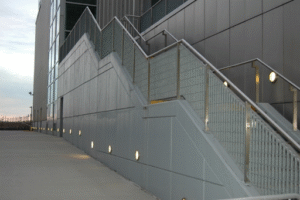
- Grigliato Railing System – A mesh-patterned panel system available in various mesh sizes. Larger mesh ensures visibility where sightlines are important; smaller mesh offers greater seclusion or child safety.
- Select Railing System – Named for its virtually unlimited array of styles, materials, and color finishes. Also ideal when you need to harmonize with an existing architectural theme or match branding elements.
- Custom Railing System – Fully tailored fabrication to bring unique visions to life. MFR can work from concept drawings and collaborate through engineering and finish selection to deliver a one-of-a-kind railing.
Code Compliance and Accessibility
Proper commercial railings must align with jurisdictional building codes and ADA guidelines:
- Height Requirements – Guardrails typically need to be 42 inches high for commercial applications; handrails on stairways often range between 34 and 38 inches from tread nosing.
- Load-Bearing Capacity – Railings must support at least 200 pounds of force laterally and vertically.
- Grip and Clearance – Handrails should enable a secure, continuous grip, with clear space behind the rail for an open handhold.
- Opening Limits – Baluster or mesh spacing should prevent a 4-inch sphere from passing through, reducing entrapment or fall hazards.
- Ramp Extensions – For ADA conformance, handrails should extend beyond the top and bottom of ramps to assist movement and stability.
Are Aluminum or Steel Railings Better for Commercial Use?
Both materials have their advantages:
Aluminum:
- Lightweight and easy to install.
- Naturally corrosion-resistant, making it ideal for coastal or humid climates.
- And it generally requires less maintenance.
Steel (Galvanized or Stainless):
-
- Higher strength and durability under heavy loads.
- Powder-coated or galvanized finishes provide long-term corrosion protection.
- Preferred for high-traffic, high-impact environments where strength is critical.
For many commercial applications, steel railings remain the top choice. Additionally, aluminum works well in less demanding settings or where weight savings are beneficial.
Installation & Maintenance Best Practices
Proper installation ensures long-term safety and performance:
- Expert Installation – Vertical posts must be anchored securely into floor slabs or structural elements. All joints and fixings should be tightly fastened and tested.
- Regular Inspections – Conduct quick monthly checks for loose fasteners, corrosion, or cracking.
- Cleaning and Touch-Up – A mild detergent and water are sufficient for maintenance; address surface abrasions with touch-up paint to preserve corrosion resistance.
- Preventative Care – In high-traffic areas or areas subject to moisture, consider touch-up coatings or rust inhibitors to extend service life.
How Do Handrails and Guardrails Differ in Code Compliance?
While both improve safety, they serve different functions and have distinct code requirements:
Handrails:
- Designed to be grasped by the hand for balance and support.
- Commonly found alongside stairs and ramps.
- Additionally, must meet grip size, clearance, and continuous length requirements.
Guardrails:
-
- Installed to prevent people from falling from elevated areas.
- Found on balconies, mezzanines, decks, and around open-sided floors.
- Must meet height and load-resistance standards, as well as spacing rules to prevent objects from passing through.
And in many commercial settings, you’ll see both used together, especially along staircases and elevated walkways.
Choosing the Right Team
When selecting a partner for your railing project, look for:
- Engineering Expertise – Ability to handle load calculations, code requirements, and structural challenges.
- Design Collaboration – Willingness to customize styles, colors, and patterns to meet vision and branding.
- Fabrication Quality – Superior materials, consistent finishes, as well as precision detailing.
- Reputation and Experience – A provider with a long track record. MFR also brings over 25 years of railing system innovation to the table.
Get Expert Commercial Handrails and Railings with MFR Corp
A building’s safety, usability, and lasting impression all begin at the structure’s edges, where occupants move, pause, and interact with transitions. Thoughtfully designed commercial handrails and railings are also a critical piece of that experience, offering balance, protection, and architectural flair. And with options like MFR’s Grigliato, Select, and Custom systems, you can create rail solutions that meet safety requirements while enriching design and supporting sustainability.
Explore your options and connect with MFR Corp to build the safety and style of your next project with expert commercial railing solutions.